







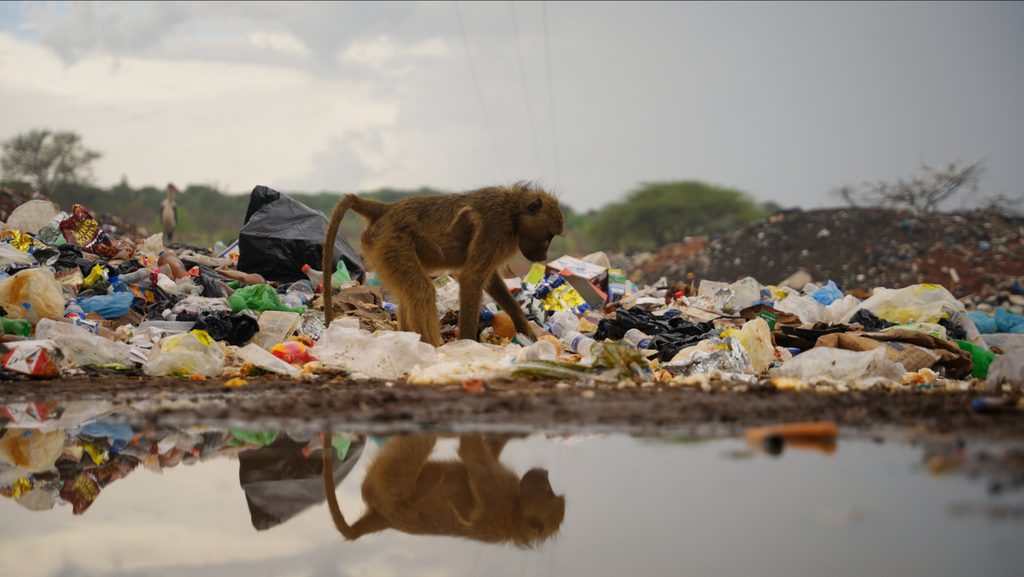
A bloated goat lay motionless beneath a mopane tree in Mabale.
When villagers cut open its stomach, they did not find disease or poison. They found plastic.
Food wrappers, shopping bags and discarded packaging had accumulated inside the animal until it could no longer survive.
For conservationist Linda Bennett, the disturbing discovery confirmed what she had long feared.
“If people are finding plastic in goats’ stomachs and cows’ tummies and they are dying, then elephants are probably suffering the same thing,” she says. “They eat plastic because it smells sweet. Buffaloes do it. We have even seen wild dogs playing with it.”
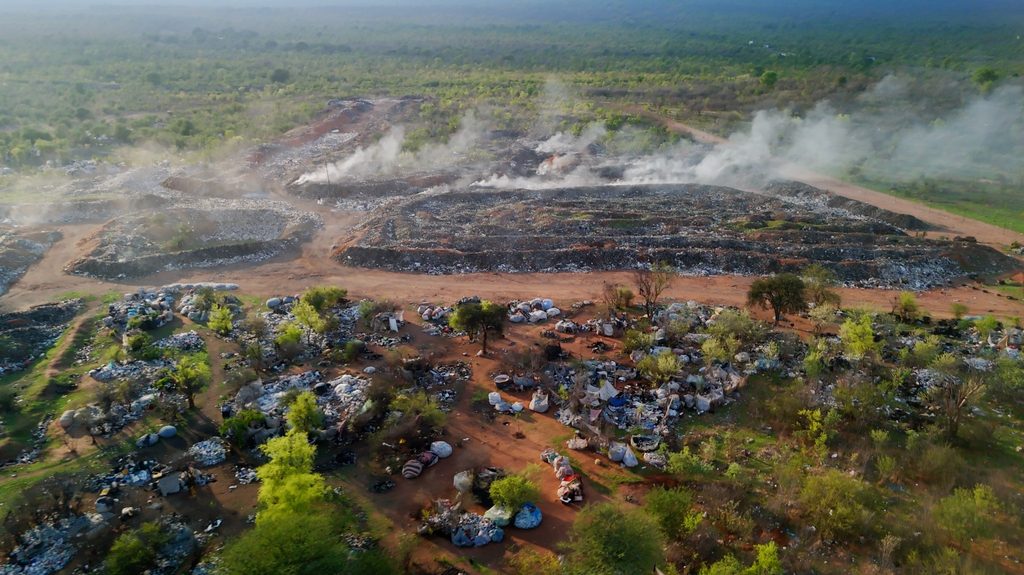
Across Zimbabwe’s Hwange landscape, plastic has quietly become one of conservation’s least visible but fastest-growing threats.
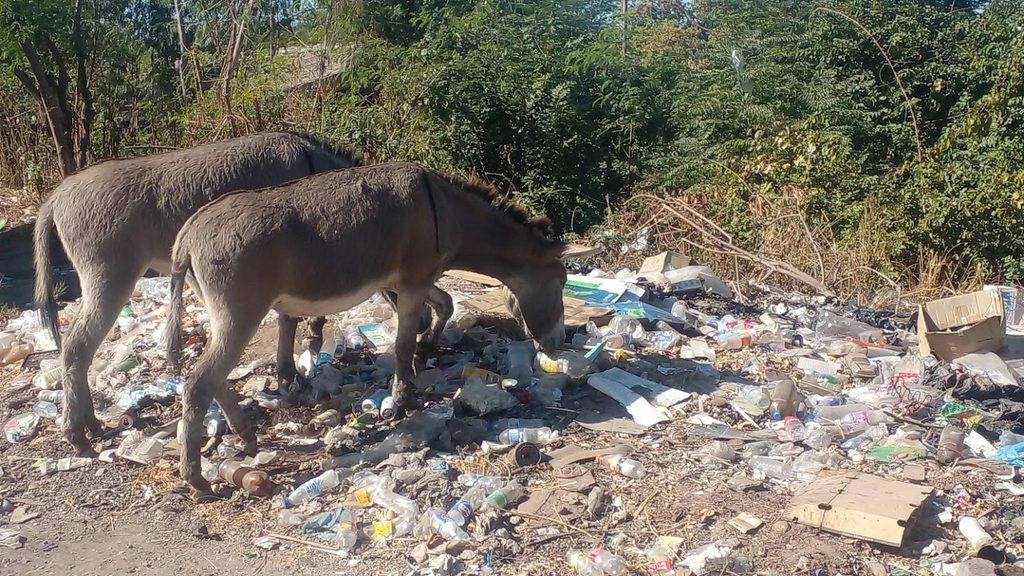
Every rainy season, discarded bottles, food packets and shopping bags are washed into streams, grazing lands and wildlife corridors. Livestock mistake it for food. Wild animals forage through roadside dumps. Tourism operators complain that litter is creeping into one of Zimbabwe’s most celebrated safari destinations.
For years, clean-up campaigns came and went, leaving behind little more than photographs of volunteers holding black refuse bags. For decades, conversations around plastic pollution in Zimbabwe have largely focused on the problem: overflowing dumpsites, littered highways, polluted rivers and wildlife consuming waste.
Now, a community-driven recycling initiative stretching from Victoria Falls to Hwange is attempting something far more ambitious: creating an economy where plastic is no longer worthless rubbish but a commodity that creates jobs, protects wildlife and keeps waste out of one of Africa’s largest conservation landscapes.
It is an experiment that is still evolving, with funding constraints, inconsistent participation and scepticism from some businesses. But for communities living alongside wildlife, it is beginning to answer a difficult question: can conservation start with something as ordinary as a discarded bottle?
For many families in Mabale and surrounding villages, plastic pollution stopped being an environmental issue long ago. It became a livelihood crisis.
Goats, cattle and donkeys which are the backbone of many rural households, have died after swallowing discarded plastic while grazing. The deaths have left families counting financial losses that could have paid school fees, bought seed or sustained them through drought.
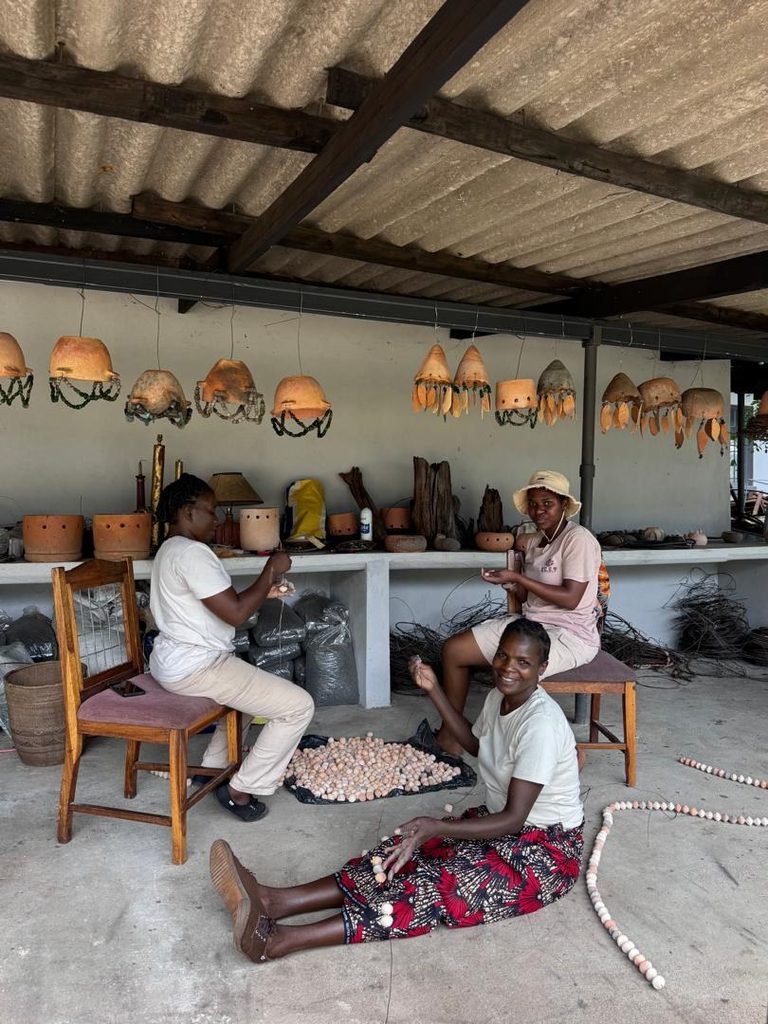
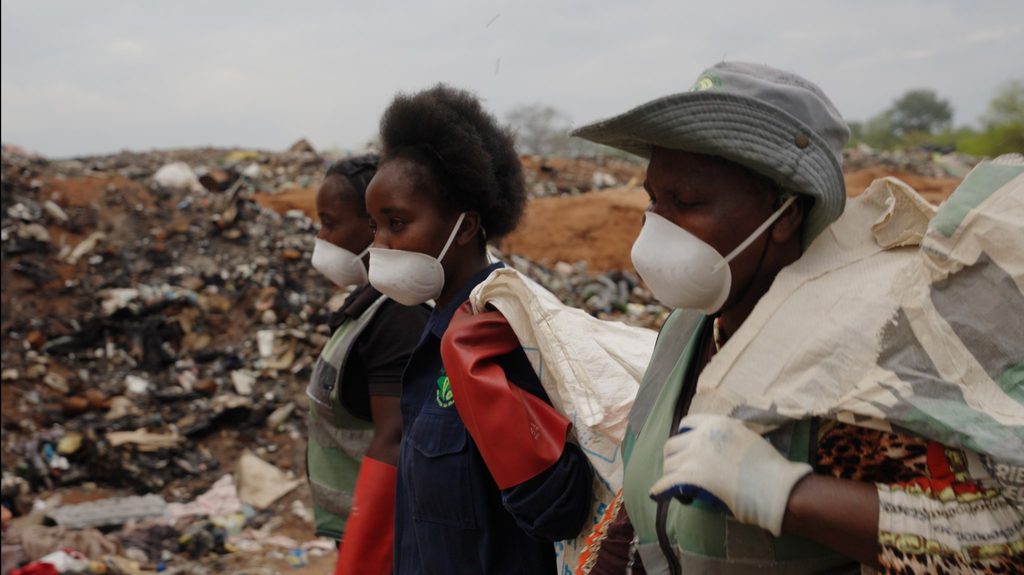
Those experiences inspired women like Fanello Moyo, Jacqualine Nyoni and Survive Mpala from Sianyanga Village in Lupote Ward to become part of the recycling movement.
Each had witnessed livestock weakened or killed after ingesting plastic waste. Rather than accepting it as inevitable, they joined Linda Bennett’s community recycling initiative to prevent other families from suffering similar losses.
Today, instead of watching plastic accumulate along roadsides and grazing areas, they collect, sort and recover it before it reaches rivers, fields and wildlife habitat.
What began as an environmental activity has become an important source of household income.
“The loss of livestock opened our eyes,” one of the women explains. “We realised that if we removed plastic from our environment, we were protecting both our animals and our livelihoods.”
The women now earn money from collecting recyclable waste while helping keep their communities cleaner. The additional income contributes towards household expenses, food, school costs and other family needs.
More importantly, they say, the work has restored a sense of purpose.
They are no longer simply reacting to environmental destruction but they are becoming part of the solution.
Every month, Bennett coordinates the collection of recyclable plastic from community cages in Mabale, Dete and Zimbabwe Parks and Wildlife Management Authority stations before transporting it to a recycling hub at Hwange Safari Lodge. There, waste that would otherwise end up in rivers, open fires or elephant habitat begin a second life.
The operation also coordinates monthly roadside clean-ups involving tourism operators, conservation organisations, anti-poaching units and community volunteers.
So many people come together to collect rubbish along the roadside. With the detour, it’s absolutely horrendous. It’s something that should really be done twice a month.
Linda Bennett
Unlike conventional recycling systems where waste is merely sorted and shipped away, every material collected is repurposed.
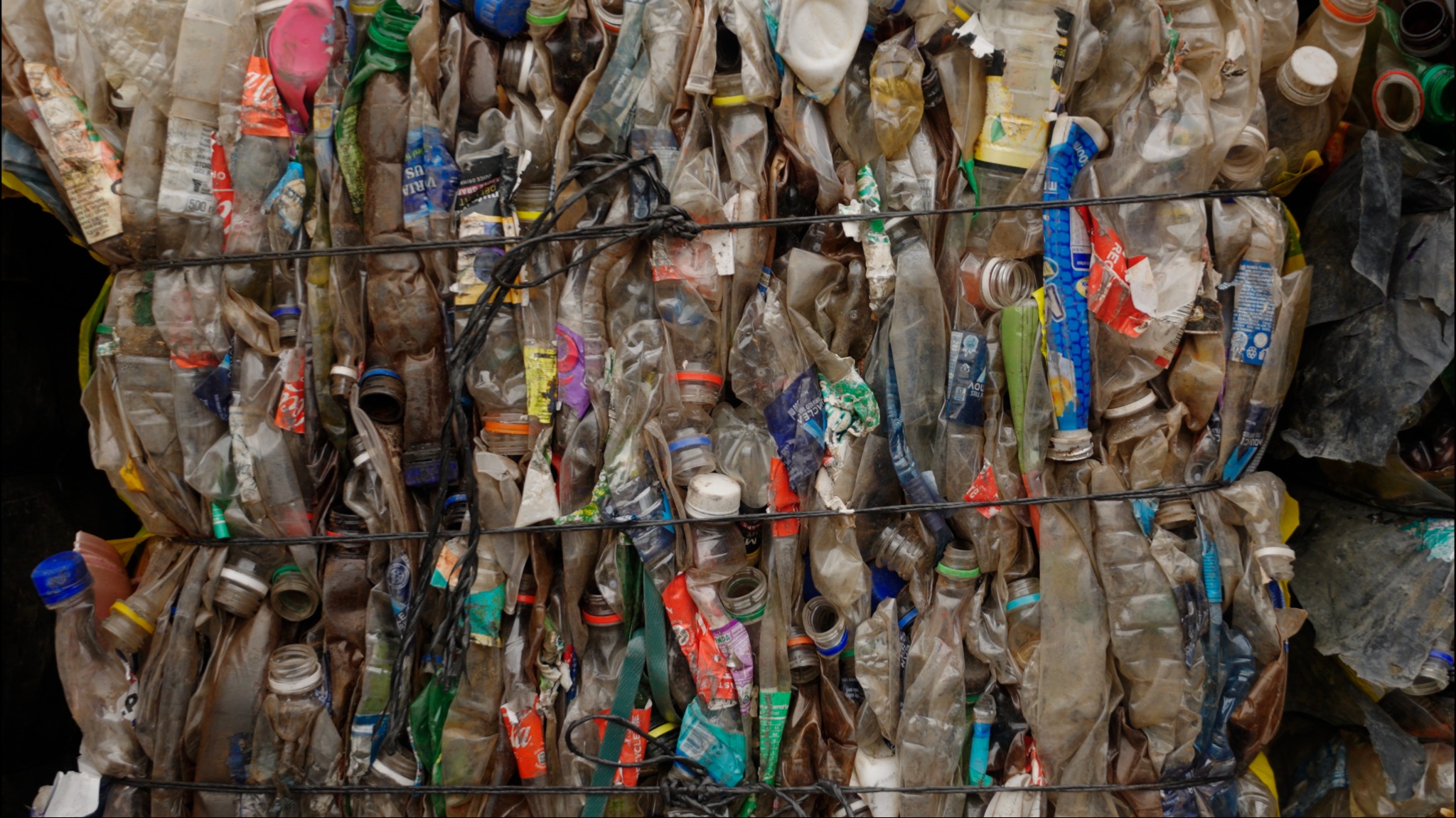
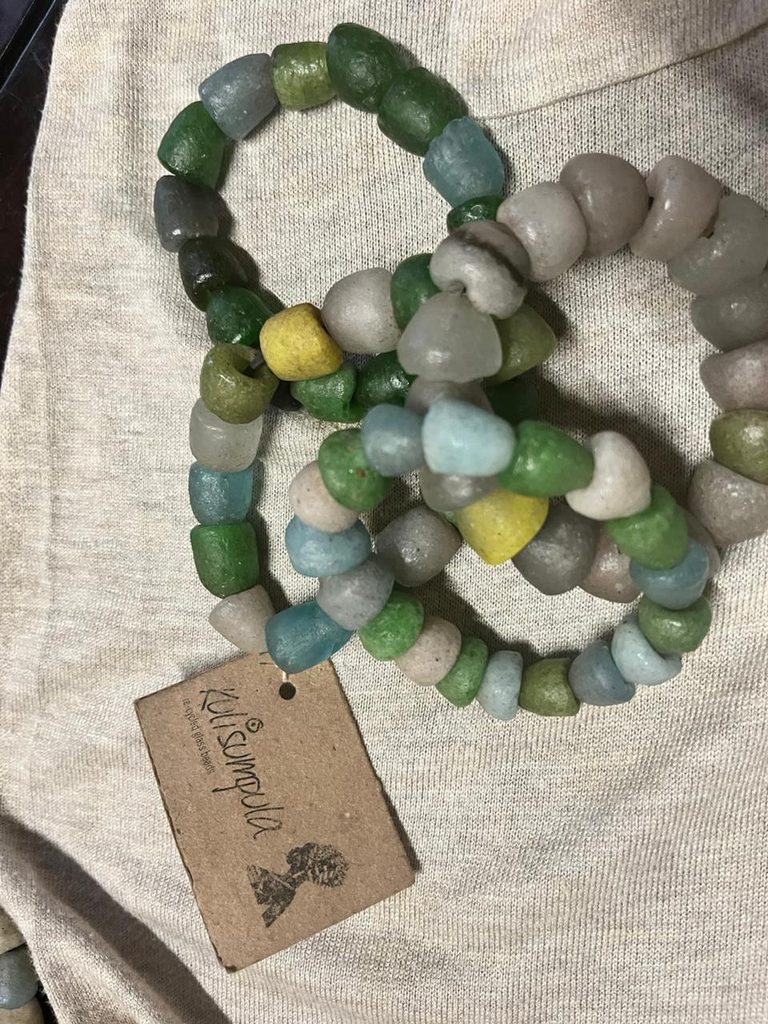
Plastic is compacted and transported to Victoria Falls for processing, while crushed glass is transformed into “living wall bricks” that provide nesting spaces for solitary bees and other beneficial insects. Copper tubing recovered from discarded solar installations becomes decorative lighting, while aluminum cans are transformed into craft products.
“We recycle and upcycle everything we possibly can,” Bennett says.
Yet she readily admits recycling alone will never solve Zimbabwe’s plastic crisis.
“The biggest problem is changing people’s behaviour.”
That challenge became apparent when some businesses and residents began using the recycling centre as an ordinary dumpsite, mixing nappies, food waste and sanitary products with recyclable material. Others expected the service to remain free despite the costs of employing workers, transporting waste and maintaining equipment.
Despite those setbacks, attitudes are slowly shifting.
Collection cages that once stood empty now regularly fill with plastic, particularly in Mabale, while communities increasingly understand that litter discarded today may eventually kill the livestock on which many households depend.
Among those whose lives have been transformed is Edith Chuma, a plastic collector with Ele Collection. Ele Collection is a plastic recovery and recycling enterprise operating in the resort city of Victoria Falls designed to remove waste from natural environments and protect local wildlife.
“When you live here, you see how everything is connected. The people, the animals, the river. But when plastic began to poison it all, we knew something had to change,” she says.
Today, she works alongside other women collecting recyclable materials while supporting her family.
“My parents and my younger brother Brian are dependent on me. Brian is also disabled, so he requires constant care.”
She says the work has not only provided an income but also dignity and confidence.
“Now that people see our impact and hear our stories, women want to join us to lift themselves out of poverty and protect their children.”
The initiative forms part of a broader regional effort led by Ele Collection, which estimates that Victoria Falls and Livingstone generate about 230 tonnes of plastic waste every month.
Unlike conventional recycling programmes that focus only on clean plastic, the organisation has developed technology capable of processing all seven categories of plastic including heavily contaminated waste that would otherwise end up in landfills or the environment.
Managing Director, Simon Teede says the idea emerged after repeated encounters with wildlife affected by plastic pollution.
“That was the moment everything changed. Plastic pollution wasn’t just ugly, it was deadly. That realisation gave birth to the Ele Collection, a movement to reclaim waste and restore balance.”
Teede says recycling rates remain extremely low because only two categories of plastic are widely recyclable using conventional methods.
“There are three major challenges facing recycling in Africa today. One, the sheer volume of plastic entering the environment. Two, dirty plastic that could never otherwise be recycled. And three, there are seven types of plastic. In Africa, only two of those seven can be recycled.”
“That limits recycling in Zimbabwe and Southern Africa to between three and five percent.”
One of the initiative’s most innovative breakthroughs lies in what happens after collection.
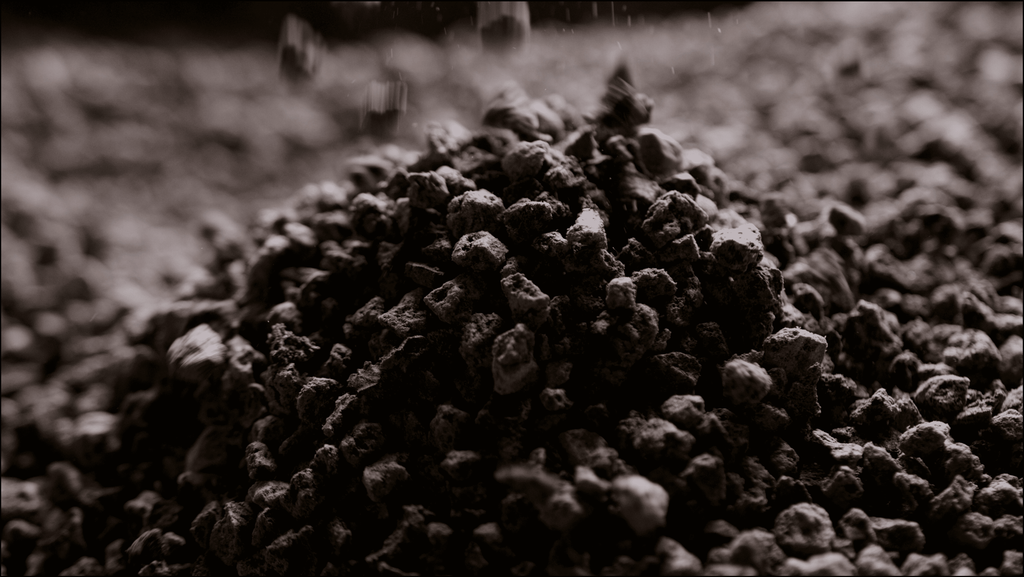
Ele Collection’s technology shreds mixed plastic before converting it through an extrusion process into either recyclable pellets or a lightweight construction aggregate known as Plazrok used in building materials.
The aggregate replaces traditional stone in concrete, permanently locking plastic away inside construction materials while reducing demand for virgin resources.
The organisation is also piloting the material for repairing potholes, potentially offering a durable solution for Zimbabwe’s deteriorating roads while simultaneously reducing plastic pollution.
Bennett’s own conservation centre demonstrates how these ideas work in practice.
Its walls are built using recycled glass mixed with plastic aggregate rather than freshly quarried sand. The building itself has become a showcase for circular economy principles.
“What once polluted our rivers now rebuilds our future,” Teede says. “It’s clean, permanent and most importantly, scalable.”
For collectors like Chuma, every kilogramme recovered has multiple benefits.
“For Edith and so many women, the Ele Collection is a lifeline,” Teede says. “Every kilogramme they collect doesn’t just clean up the environment. It empowers women, feeds their families and restores balance between people and the wild.”
Each collector earns approximately US$8 to US$10 a day, gathering between 80 and 100 kilograms of plastic daily. Collectors receive protective clothing, first aid training, transport and meals while working.
Instead of viewing waste picking as informal labour, the project is professionalising environmental stewardship.
Conservation biologist and Director at Connected Conservation, Malvern Karidodzo believes the initiative demonstrates that environmental protection and poverty reduction cannot be separated.
“Plastic pollution has become one of the greatest threats to our natural world. It strangles life, slowly, quietly, until the wild begins to fade.”
He says the recycling model gives waste economic value while creating employment and reducing pressure on natural resources.
“Waste becomes opportunity and conservation becomes community. This is what sustainable change looks like; a system that heals both the environment and the people who depend on it.”
Karidodzo argues that stronger rural livelihoods also strengthen conservation outcomes.
When people are struggling to survive, the environment suffers too. Reducing poverty reduces poaching and it reduces conflict between people and wildlife.
Malvern Karidodzo, Conservation biologist
“If this model can grow, if more communities can take this path, we could change the story- not just for Victoria Falls, but for Zimbabwe, the KAZA region, Africa and beyond.”
Whether the initiative can be expanded across Zimbabwe remains uncertain.
Funding remains limited. Many businesses have yet to commit to paying recycling fees, while materials such as tetra packs still have no viable recycling pathway.
Yet in villages bordering Hwange National Park, success is becoming increasingly visible- not in reports or statistics, but in cleaner roadsides, fuller collection cages and women returning home with earnings from waste that once had no value.
Today, these women are helping transform that tragedy into opportunity—protecting grazing lands, earning incomes and inspiring other women to see waste not as rubbish but as a resource.
The transformation is gradual.
But in a region where people and wildlife share the same landscape, every bottle collected before it reaches an elephant’s path or a grazing cow represents one less threat to biodiversity and one more step towards a circular economy rooted in community action.
As Chuma puts it simply: “Sometimes it is hard, but we never give up. We always find a way.”