







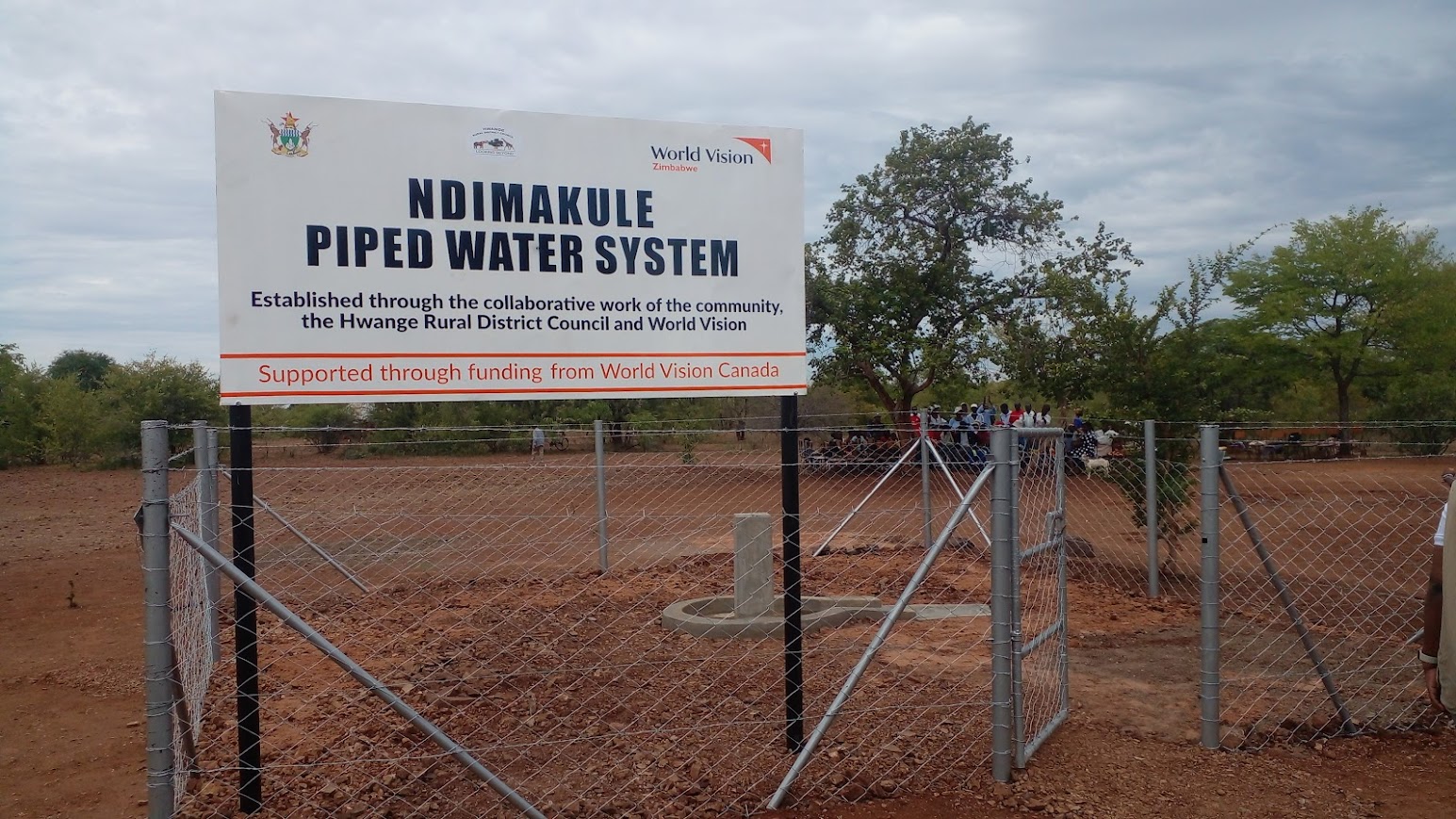
As dusk settles over Mbizha Ward in Hwange district, 32-year-old Yvette Ncube walks towards a community water point with her 13-month-old child securely strapped on her back.
The short journey takes less than five minutes.
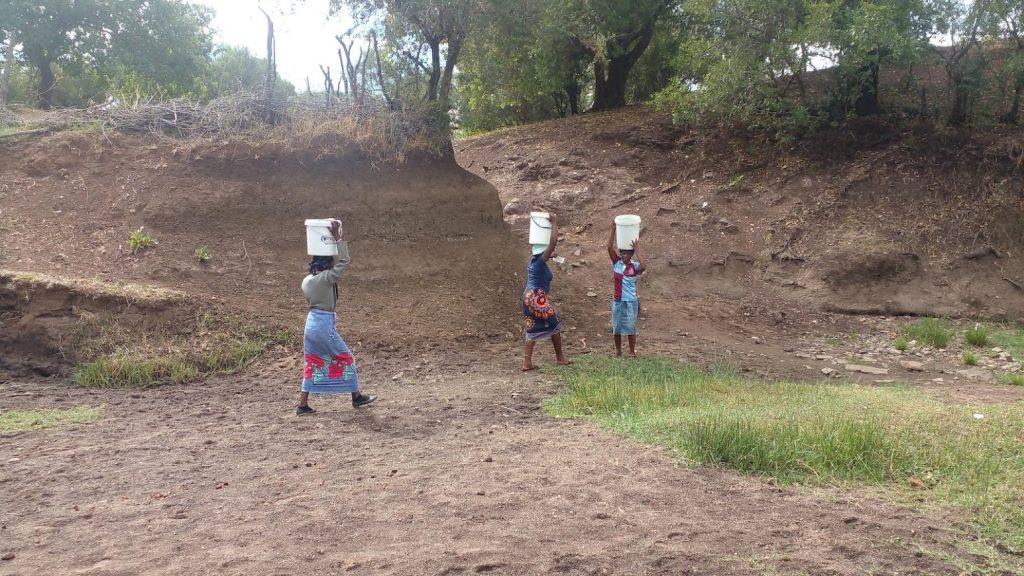
Just a few years ago, the same routine meant a grueling trek of up to three kilometres to search for water from a riverbed shared with livestock and wildlife. The trip often consumed hours of her day and left her worrying whether the water she carried home would make her family sick.
“Fetching water used to be the hardest part of our lives,” recalls Ncube as she fills her containers from a flowing tap. “You would wake up early and still spend most of the day looking for water. Sometimes you would return home tired and with very little water after waiting in long queues.”
For generations, communities in Mbizha endured chronic water shortages, a challenge worsened by recurring droughts and rising temperatures associated with climate change. Traditional water sources dried up more frequently, while boreholes often failed during prolonged dry spells.
As rivers shrank and wells disappeared, villagers turned to desperate measures.
Families dug shallow holes in the sandy beds of the Mbizha and Lukuze rivers in search of underground water. These makeshift wells became the community’s primary source of drinking water, cooking water and water for household use.
But they were also shared by livestock and wildlife.
Cattle, goats, donkeys, pigs and dogs drank from the same pools. During the night, wild animals visited the watering points, contaminating it with droppings and urine.
For 82-year-old Anna Nyoni, the memory remains painful.
“The few boreholes that existed would dry up during the hot months,” she says. “We would walk long distances and sometimes find no water. We ended up digging wells in the riverbed and sharing the same water with animals.”
She pauses before adding:
“Pigs would get into the water; dogs would bathe and drink there. Cattle stood in the same places where we fetched water for cooking and drinking. We knew it was dangerous, but there was no other option.”
The consequences were devastating, especially for children.
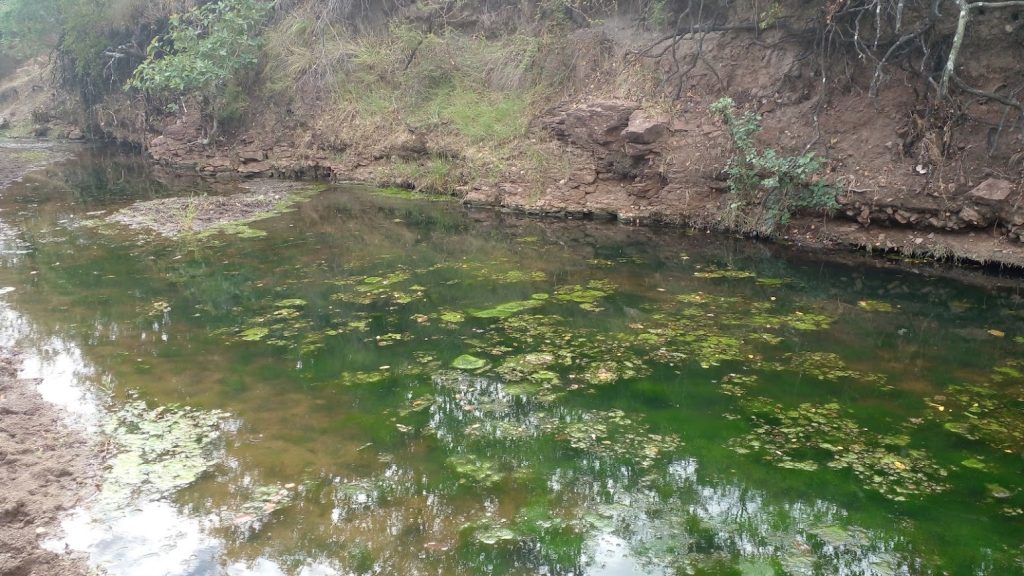
Cases of diarrhoea, dysentery, bilharzia and other waterborne diseases became common. Local health workers spent much of their time treating preventable illnesses linked directly to unsafe water.
Children were among the hardest hit.
Repeated bouts of diarrhoea affected their nutrition and growth, while frequent illnesses meant many missed school days. Some parents spent scarce resources travelling to clinics instead of investing in food, education or income-generating activities.
Autrudy Ncube, a health worker, remembers the situation vividly.
“I was constantly attending to cases of children suffering from diarrhoea,” she says. “Many families depended on water from the riverbed. When livestock and people use the same source, contamination becomes unavoidable.”
According to community members, the threat extended beyond disease.
Women and girls often spent several hours each day collecting water. Some woke before sunrise to avoid long queues, while others travelled in darkness during the dry season.
The time spent fetching water meant less time for productive activities, household care and education.
Girls were particularly vulnerable.
Many missed classes because they were required to help their mothers fetch water, while others faced safety risks when travelling long distances to isolated water points.
Recognising these interconnected challenges, child centred humanitarian organisation World Vision, with funding from Canada and support from the central government, introduced a solution designed not only to provide water but also to build long-term resilience against climate change.
The result was the Ndimakule Solar-Powered Water Scheme.
The project centres on a 65-metre-deep solarised borehole connected to three 10,000-litre storage tanks and an extensive piped distribution system supplying water to households, community facilities and livelihood projects.
Today, the scheme serves 219 households, benefiting more than 1,000 people through multiple community water points strategically positioned close to homes.
The transformation has been profound.
Where women once spent hours searching for water, they now walk only a few hundred metres to access clean, safe water.
Where children once drank contaminated riverbed water, they now have access to reliable potable water throughout the year.
And where communities once lived at the mercy of drought, they are beginning to build resilience.
World Vision Hwange Area Programme Manager, Lovemore Nyoni says the project was specifically designed as a climate adaptation intervention.
The traditional water sources were becoming increasingly unreliable due to climate change. Our objective was not simply to provide water but to improve health, sanitation, livelihoods and resilience for vulnerable households.
Lovemore Nyoni
This integrated approach is what makes the project a compelling example of sustainable development.
Rather than addressing only the immediate problem of water scarcity, the initiative tackles multiple challenges simultaneously.
Health outcomes have improved significantly.
According to community health workers, cases of diarrhoea have declined since households began accessing clean water. The reduction in exposure to contaminated sources has lowered the risk of disease outbreaks while improving overall community wellbeing.
For parents, the benefits are immediately visible.
“Children are healthier now,” says Ncube. “Before, we were always taking them to clinics because of stomach problems. Now those cases are rare.”
The project has also strengthened educational outcomes.
Reliable water supply has improved conditions at Ndimakule Primary School, which is connected to the scheme.
Teachers previously faced difficulties working in an area with limited access to clean water, contributing to staff turnover and affecting learning continuity.
Today, the school has a dependable source of water for drinking, sanitation and hygiene.
Students no longer have to leave lessons in search of water, while improved hygiene facilities help create a healthier learning environment.
For girls especially, access to nearby water sources reduces absenteeism linked to household water collection responsibilities.
Development practitioners increasingly recognise that improving water access can have a direct impact on educational achievement.
When children spend less time sick and less time fetching water, they spend more time learning. The project has also become a catalyst for economic empowerment.
Around the community, previously barren land is being transformed into productive nutrition gardens.
Women grow vegetables, beans, butternuts, beetroot, maize and small grains using water supplied by the scheme.The gardens improve household nutrition while generating income through the sale of surplus produce.
“At the nutrition garden we are now able to produce food throughout the year. This helps us feed our families and earn some money,” says Ncube.
The water scheme also supports a community piggery project that is creating new economic opportunities for local residents.
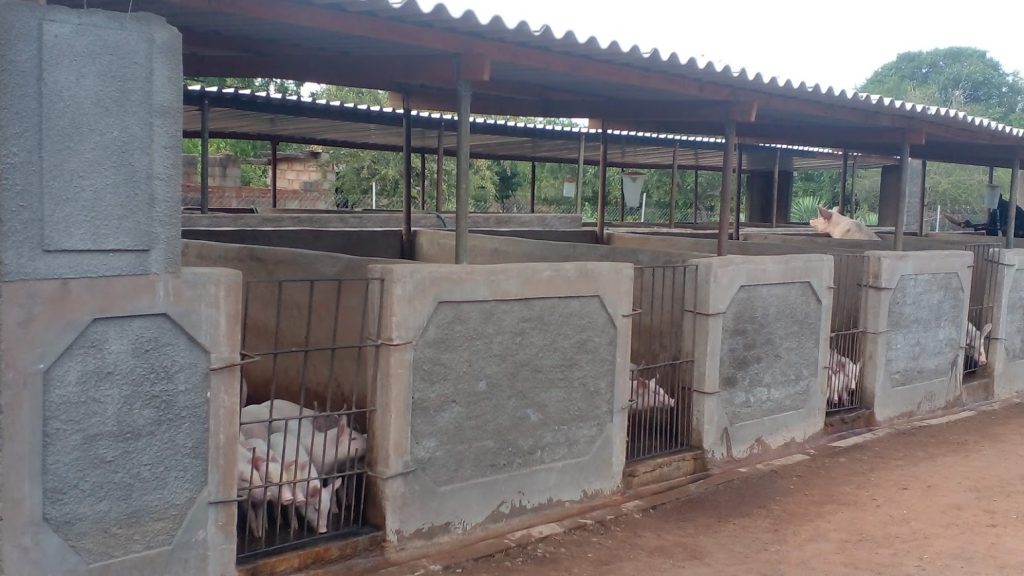
The irony is not lost on villagers.
Years ago, pigs contaminated the same riverbed wells people depended on for survival. Today, clean water infrastructure allows pig farming to be conducted safely and productively, creating livelihoods rather than health risks.
Village leaders say this shift demonstrates how climate adaptation can unlock wider development opportunities.
“When water becomes available, everything changes,” says Selina Ncube, a local traditional leader. “People become healthier. Children can learn. Families can start projects and improve their incomes.”
Importantly, the project has also strengthened community ownership.
Residents contributed labour during construction, helping dig trenches for pipelines and build infrastructure. Local committees have been trained to manage and maintain the system, while households contribute small monthly fees towards maintenance and security.
This community-driven approach increases the likelihood that the benefits will be sustained long after external funding ends.
While the achievements are significant, challenges remain.
Climate change continues to threaten rural livelihoods across Matabeleland North. Droughts are becoming more frequent and severe, placing increasing pressure on water resources and food production systems.
For Anna Nyoni, the transformation can be measured in everyday experiences.
She no longer has to walk several kilometres in search of water or rely on contaminated riverbed wells shared with animals.
And she no longer worries constantly about her grandchildren becoming sick from unsafe water.
“We suffered for many years,” she says, watching children play near a community tap. “Today we have clean water close to our homes. Our children are healthier, and our lives are easier.”